
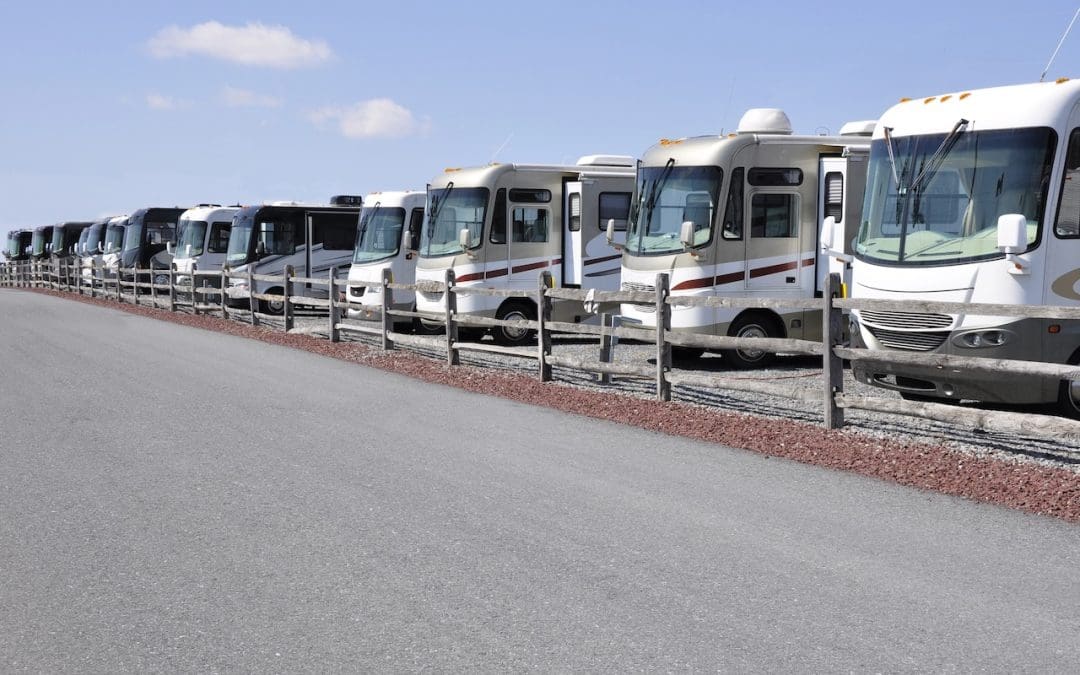
Choosing the right RV is a decision that shapes every trip you take in it. The right one matches how you actually travel: how often, with how many people, to what kinds of destinations, with what level of towing or driving experience, and with what realistic expectations about setup, maintenance, and storage when the trip is over. Getting those factors right before selecting a class or floor plan is what separates the buyer who uses their RV constantly from the one who sells it within two years.
Class and Type: The Foundation of Choosing the Right RV
The RV market divides broadly into motorized units: Class A, B, and C motorhomes, and towable units, including travel trailers, fifth wheels, and toy haulers. The right RV type depends primarily on how you plan to travel and what tow vehicle or driving experience you bring to the decision. Class A motorhomes are the largest and most residential of the motorized options, full-sized coaches offering the most living space but requiring comfort with large-vehicle driving and significant fuel and maintenance costs. Class B motorhomes, campervans built on a van chassis, are the most maneuverable and fuel-efficient, ideal for buyers who prioritize access to tight campgrounds over living space. Class C motorhomes split the difference, offering more space than a Class B with more maneuverability and lower cost than a Class A. Towable units shift the equation. A travel trailer or fifth wheel requires a capable tow vehicle. Fifth wheels offer more stability and interior height but require a pickup with a bed-mounted hitch. Travel trailers range from compact units towable by a crossover to large units requiring a heavy-duty truck.
Lifestyle Matching: Finding the Right RV for Your Actual Travel Habits
The right RV for a couple who camps at established campgrounds with full hookups every weekend is a fundamentally different unit than the one for a family of four who takes two or three extended road trips per year to national parks with primitive camping. Full-hookup campground users can prioritize amenities and comfort because they’ll have power, water, and sewer at the site. Buyers who plan to boondock need to prioritize tank capacity, battery and solar capability, and fuel efficiency over amenities. A family traveling with children needs sleeping arrangements that provide privacy, not just technical capacity that works only under perfect conditions. The floor plan within any class is where lifestyle matching becomes specific. A rear bedroom floor plan is the right configuration for couples without children. A bunkhouse with dedicated sleeping areas is the right choice for families. A front living room layout works well for full-timers or extended-trip travelers who spend significant time inside regardless of weather.
Practical Considerations That Determine Long-Term Success
Storage is the practical consideration most buyers underestimate, not inside the RV, but where the unit lives when it’s not in use. A 40-foot Class A or long fifth wheel requires a storage facility in most residential situations, adding monthly cost and reducing spontaneity. A compact travel trailer or Class B van can often be stored at home, dramatically increasing how frequently it gets used. The right RV is one that gets used.
Frequently Asked Questions (FAQs)
How do I know if I need a motorhome or a towable RV?
The primary factors are tow vehicle capability and driving comfort. If you own or are willing to purchase a capable truck or SUV, a towable offers more living space for the cost than a comparable motorhome and allows the tow vehicle to be used independently at the destination. If large-vehicle towing isn’t appealing, a motorhome is the right direction, though motorhomes require driving a large vehicle everywhere.
What size RV is right for a family of four?
Most families of four travel comfortably in a unit with dedicated sleeping areas for adults and children: a bunkhouse travel trailer or fifth wheel, or a Class C with a cab-over bunk. The right RV size isn’t the largest affordable unit; it’s the one with a floor plan that provides actual sleeping separation, enough bathroom capacity to prevent bottlenecks, and adequate storage for four people’s gear. Units in the 28- to 35-foot range typically hit this target without becoming difficult to maneuver.
What should I inspect before buying a used RV?
A professional RV inspection is the most reliable way to assess a used unit’s condition. The highest-priority areas are the roof, the exterior walls for delamination, slide-out seals and operation, and the interior for musty odors or soft flooring signaling moisture damage. All appliances and systems should be tested under operating conditions before purchase.
How important is fuel economy when choosing an RV?
More important than most buyers account for. A Class A getting six to eight miles per gallon on a two-week trip represents significant fuel costs that compound quickly. A Class B van or compact travel trailer behind a fuel-efficient tow vehicle changes the economics of every trip materially.
Blue Ribbon RV Inspection offers RV inspections throughout Arizona. Contact us to schedule an appointment today.