
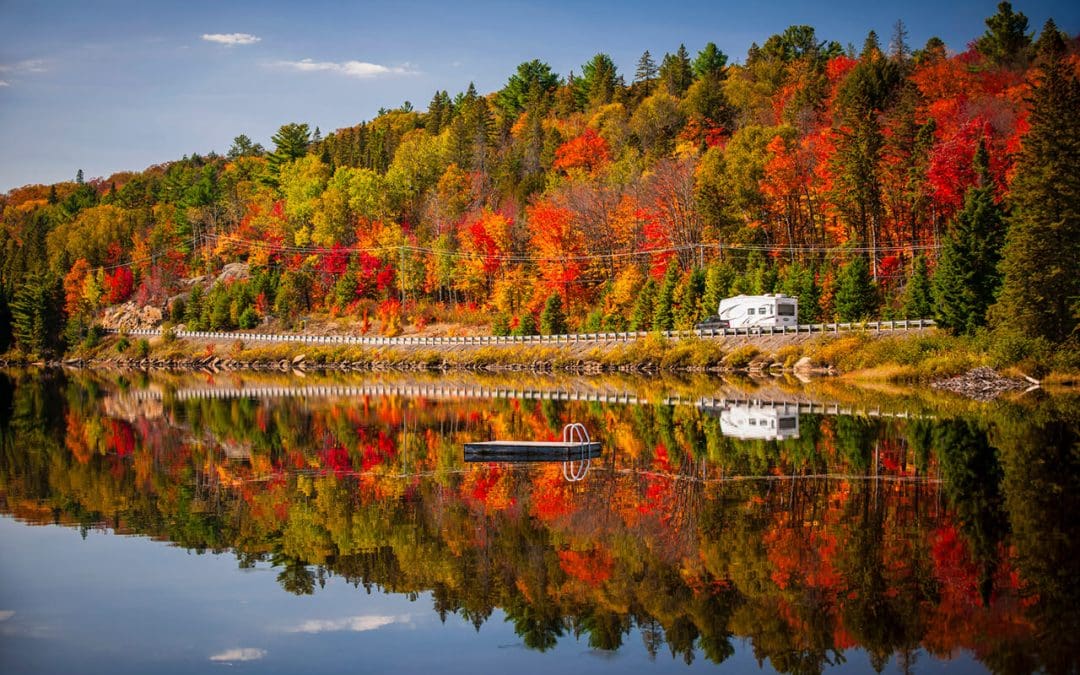
Fall is arguably the best season for RV travel. The summer crowds thin out, campsite availability opens up, temperatures settle into that ideal range for outdoor activity, and the scenery reaches a level of visual drama that no other season can match. Planning a fall RV trip takes a different approach than summer travel, and getting the timing, preparation, and destinations right makes the difference between a good trip and one that becomes the story you tell for years.
Why a Fall RV Trip Deserves Its Own Planning Approach
Fall travel introduces variables that summer trips don’t have: temperatures that swing dramatically between afternoon highs and overnight lows, foliage peak windows that vary significantly by region and elevation, and campground schedules that start contracting as the season progresses. A fall RV trip requires more advanced planning for weather preparation and more itinerary flexibility to chase the conditions that make fall travel worth doing. The reward is significant. Campgrounds that were fully booked through July and August are often open and quiet by October. Popular destinations feel like a different place entirely when summer traffic is gone. And sitting outside in cool, crisp air, surrounded by color, is an experience difficult to replicate any other way.
Timing Your Trip Around Peak Foliage
Foliage timing is the variable that separates a fall RV trip that arrives at peak from one that’s a week too early or late. Leaf color change follows predictable patterns, moving from north to south and from higher elevations to lower, but exact timing shifts by one to two weeks depending on temperature and rainfall. The northeastern United States typically sees peak color in late September through mid-October at higher elevations, with lower elevations following in mid to late October. For RVers with flexibility, following the color south over several weeks, starting in New England or northern Michigan and moving toward the Carolinas or the Ozarks, turns a single trip into a sustained fall experience. The Fall Foliage Prediction Map by the Smoky Mountains tourism site is one of the most useful free tools for tracking color progress in real time, allowing you to adjust your trip routing as conditions develop.
Preparing Your Rig for a Fall RV Trip
Temperature management becomes a more active concern on a fall RV trip. Overnight temperatures can drop into the 30s and 40s in many popular destinations, sometimes much lower at elevation, while afternoons remain pleasant. Inspect your furnace before departure and test it under load, not just a quick ignition check. Fall is also the time to start with full propane tanks, since the furnace running overnight uses propane significantly faster than summer cooking alone. Tank management changes in cold weather. Water in exposed lines can freeze overnight when temperatures drop below 32°F, so knowing your rig’s vulnerable points and having a plan prevents the most frustrating fall camping problems. Pack layers for the full temperature range and have a plan for firewood to complete the fall RV trip experience.
Campground Reservation Strategy for Fall RV Trips
Fall offers improved campsite availability compared to summer, but popular destinations near peak foliage areas still fill up on weekends. The window between Labor Day and mid-October is the busiest part of fall shoulder season, and high-demand parks in New England, the Smokies, and the Blue Ridge Parkway book out weeks in advance. Book weekday stays where flexibility allows; midweek fall camping delivers quieter campgrounds and easier access to scenic overlooks and trails. Many campgrounds begin reducing operating days in October, so confirming your target campground is open for your specific dates is an essential planning step before routing your fall RV trip around a destination.
Frequently Asked Questions (FAQs)
What are the best destinations for a fall RV trip?
New England, particularly Vermont, New Hampshire, and Maine, offers celebrated fall foliage typically peaking in late September through mid-October. The Blue Ridge Parkway provides stunning ridge-top color from mid-October into early November. The Great Smoky Mountains are among the most accessible fall destinations east of the Mississippi. For western trips, Zion and Bryce Canyon offer dramatic canyon scenery complemented by fall color in surrounding forests, typically peaking in October.
How cold does it get during a fall trip and how do I prepare?
Fall camping in popular destinations regularly sees overnight lows in the 30s and 40s by October, with freezing temperatures possible at higher elevations even in September. Test your furnace before departure, start with full propane tanks, and know your rig’s water system vulnerabilities in cold temperatures. Rug layers over bare floor areas and warm bedding make a significant difference in comfort.
Can I find good campsite availability without reserving months ahead?
More so than in summer, yes, but popular fall destinations still book out on weekends in October. Midweek travel opens up significantly more availability, and many campgrounds that were fully reserved all summer have open sites by late September on weekdays. For high-demand areas like the Smoky Mountains or Blue Ridge Parkway, reserving two to four weeks ahead is advisable for weekend stays.
What should I pack specifically for a fall trip?
Beyond normal supplies, fall travel warrants extra propane, a confirmed-working furnace, layers for the full temperature range, rain gear, and firewood or a plan to source it locally. Hiking boots appropriate for wet leaf-covered trails are worth packing if outdoor activity is part of the plan. A hygrometer inside the rig helps monitor interior humidity, which can become an issue when the furnace runs frequently.
Are campgrounds still open for RV trips in October and November?
Many are, but availability contracts as the season progresses. Most private campgrounds remain open through October and often into November. State and national park campgrounds vary. Campgrounds in northern regions may close entirely by late October. Always confirm operating status directly with the campground before routing your fall RV trip around a specific destination.
Blue Ribbon RV Inspection offers RV inspections throughout Arizona. Contact us to schedule an appointment today.