
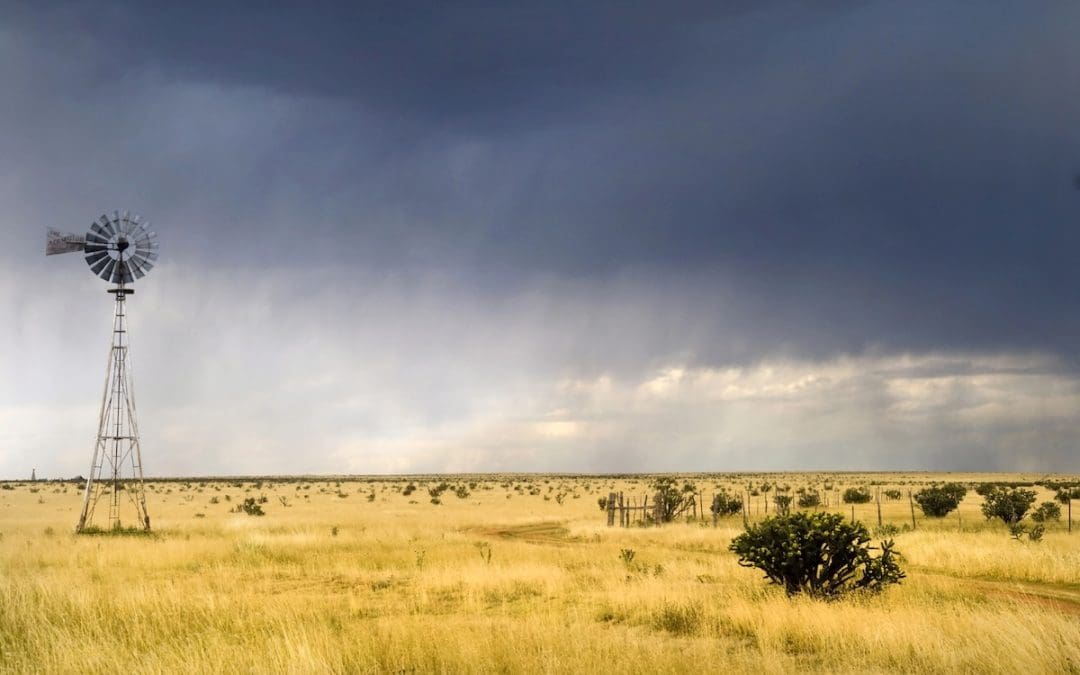
RVing in rainy weather might not be what most travelers picture when planning their next road trip, but it can be just as memorable and rewarding as sunny-day adventures. Rain transforms landscapes, quiets crowded campgrounds, and creates a cozy atmosphere inside your rig. From mist rolling over the mountains in the Great Smoky Mountains National Park to dramatic coastal skies along the Pacific Coast Highway, rain adds depth and beauty to familiar destinations. The key is knowing how to adapt both on the road and at the campsite.
Preparing Your RV for Rainy Weather
Preparation makes all the difference when RVing in rainy weather. Before departure, inspect roof seals, window seams, slide-outs, and door gaskets. Water intrusion is easier to prevent than to repair. Check that awnings are in good condition and angled properly to prevent pooling water. Tire condition is equally important. Adequate tread depth improves traction on slick highways. Windshield wipers should be replaced if they streak or chatter, and washer fluid should be topped off. Visibility is often the biggest challenge in rainy conditions, so ensuring headlights, brake lights, and turn signals are functioning properly is crucial. Inside the RV, moisture control matters. Packing a small dehumidifier or moisture absorbers helps reduce condensation buildup, especially during extended stays. Extra towels near the entryway keep mud and water from spreading throughout the living space.
Safe Driving Tips for RVing in Rainy Weather
Driving a large vehicle in wet conditions requires added awareness. RVs are heavier and take longer to stop, so increasing following distance is critical. Reducing speed, even below posted limits, allows more time to react to sudden traffic changes or pooling water. Hydroplaning can occur when water builds up between tires and the road surface. Smooth steering inputs and gentle braking help maintain control. Sudden movements could cause fishtailing, particularly when towing a vehicle. If conditions worsen to the point where visibility is severely limited, pulling over safely is often the smartest decision. Rest areas or large parking lots provide safer alternatives than narrow shoulders. Waiting out an intense downpour is sometimes the most confident move you can make.
Campsite Setup Strategies for Wet Weather
Arriving at a campsite in the rain requires a slightly different approach. Choosing higher ground whenever possible prevents water from pooling beneath the RV. Avoid low spots where runoff may collect. Outdoor rugs should be positioned to reduce mud tracking, and leveling blocks may need adjustment if the ground softens. Keeping awnings partially extended can provide shelter, but retracting them during heavy wind or thunderstorms prevents damage. Rain also creates an opportunity to slow down. Listening to raindrops on the roof while enjoying a warm drink inside will turn a gloomy afternoon into a peaceful retreat. Many RVers find that campgrounds are quieter during storms, offering a sense of privacy that busy summer weekends rarely provide.
Managing Moisture and Comfort Inside Your RV
Extended RVing in rainy weather could increase humidity levels inside the rig. Cooking, showering, and even breathing contribute to condensation. Vent fans should be used consistently, especially when preparing meals or bathing. Wet clothing should be hung in the shower area or under covered outdoor spaces to dry. Leaving damp items crumpled on furniture may introduce unwanted odors and mildew. This is also the perfect time to lean into indoor comforts. Reading, playing board games, catching up on favorite shows, or planning the next leg of the journey keeps morale high. Rainy days often become some of the most relaxing moments on the road.
Watching the Forecast and Staying Flexible
Monitoring weather apps and local alerts helps avoid dangerous situations. Severe storms, flash flooding, or high winds may require rerouting or delaying travel plans. Flexibility is one of the greatest advantages of RV travel. Staying informed allows RVers to make confident decisions rather than reactive ones. Flexibility also opens the door to discovering unexpected indoor attractions, local diners, museums, or scenic drives that look even more dramatic beneath gray skies.
The Unexpected Joys of RVing in Rainy Weather
There is a unique charm to RVing in rainy weather that fair-weather travel simply cannot replicate. Rain intensifies forest scents, enhances ocean waves, and paints desert landscapes with rare bursts of color. Wildlife often becomes more active during light rainfall, and popular tourist spots are typically less crowded. Perhaps most importantly, rainy days encourage rest. In a lifestyle that often revolves around movement, rain grants permission to pause. Slower mornings, longer conversations, and uninterrupted relaxation become part of the experience. With preparation, attentiveness, and the right mindset, RVing in rainy weather shifts from inconvenience to opportunity.
Frequently Asked Questions (FAQs)
Is it safe to drive an RV in heavy rain?
Yes, RVing in rainy weather is safe when precautions are taken. If visibility becomes low, it is best to pull over and wait for conditions to improve.
How do you prevent leaks while RVing in rainy weather?
Regular roof inspections, properly sealed windows and doors, and routine maintenance are essential. Checking seals before each trip significantly reduces the risk of leaks.
What should you do if your campsite floods?
If water begins pooling around the RV, relocate to higher ground if possible. Avoid driving through deep standing water. Planning ahead by selecting elevated campsites helps minimize this risk.
How do you keep an RV from feeling damp inside?
Use vent fans, run a dehumidifier, and keep wet gear contained. Managing airflow and moisture is key to staying comfortable during extended periods of rain.
Blue Ribbon RV Inspection offers RV inspections throughout Arizona. Contact us to schedule an appointment today.