
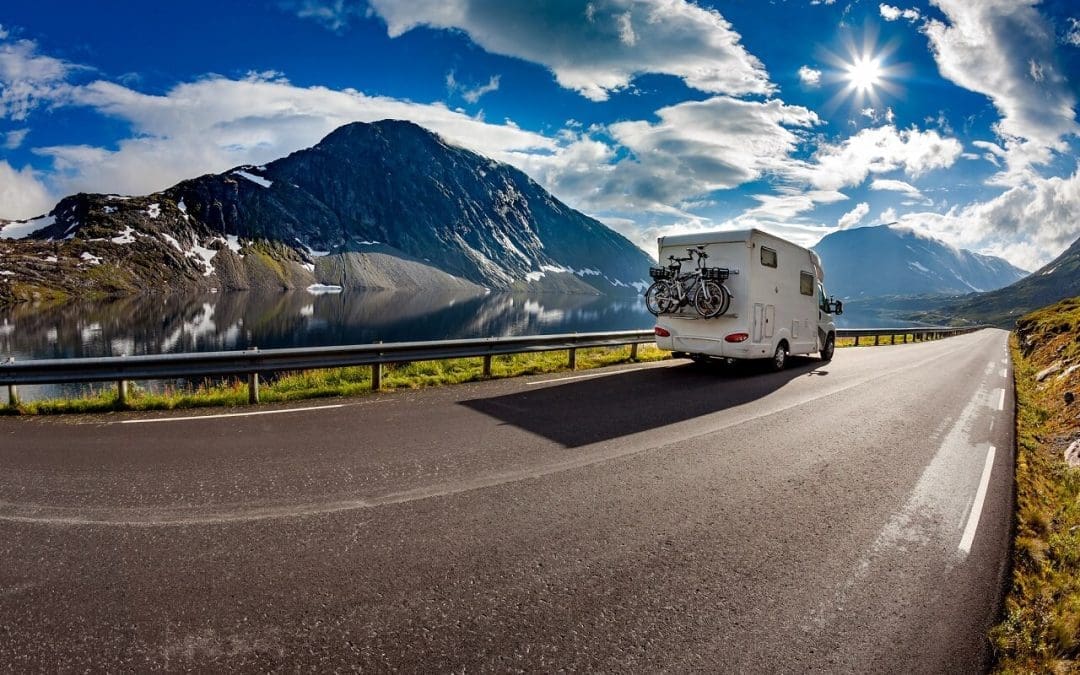
Summer is the most popular season for RV travel, and for good reason. Long days, warm evenings, open campgrounds, and an abundance of destinations make RVing in the summer an experience that’s hard to match at any other time of year. But peak season also brings unique challenges that unprepared travelers discover the hard way. With the right preparation and a few smart strategies, summer RVing can be the adventure of the year.
What Makes RVing in the Summer Different
The fundamental difference between summer RV travel and any other season comes down to heat. Your RV’s interior could reach dangerously high temperatures when parked in direct sunlight. Your tires are under more stress on hot asphalt. Your refrigerator works harder to maintain safe food temperatures. And your body is more susceptible to heat exhaustion during physical activity and setup. Travelers who understand what summer demands and prepare accordingly consistently have a better experience than those who treat it like any other season.
Managing Heat When RVing in the Summer
Heat management is the central challenge of summer RV travel. Your air conditioning system should be serviced before the season begins. Run it efficiently by parking in shade whenever possible, using reflective window covers on cab-area windows, and keeping blinds closed on sun-facing sides throughout the day. Extending the awning on the sun-facing side of the RV makes a significant difference in how quickly the interior heats up when parked. Many experienced RVers plan their driving schedule around the heat, setting out early in the morning, arriving at camp by early afternoon, and avoiding the hottest mid-day hours on the road. For extended stays without shore power, a generator or solar system capable of running the air conditioner is essential for comfortable summer travel.
Campground Reservations and Route Planning
RVing in the summer means competing with the largest pool of travelers of the entire year. National parks, lakeside campgrounds, and popular destination areas fill months in advance during peak season. Waiting until a few weeks before your trip to book is a reliable way to end up with whatever’s left rather than what you wanted. Plan your route with heat in mind as well. Higher elevation destinations are a popular summer choice, temperatures at altitude are significantly more comfortable, campgrounds are often less crowded than coastal destinations, and the scenery is spectacular. If traveling through desert regions, check tire pressure every morning, carry extra water, and have a plan for the possibility of a breakdown in a remote area.
Summer RV Safety and Maintenance
Tires deserve special attention when RVing in the summer. Heat is the single biggest enemy of RV tires; hot pavement dramatically increases the risk of blowouts, particularly on tires that are underinflated, overloaded, or showing their age. Check tire pressure every morning before driving and inspect tires visually for cracking, sidewall bulging, or uneven wear before every trip. Water system hygiene also becomes more important in the summer heat. Bacteria multiply more rapidly in warm water, making fresh tank sanitation at the start of every trip critical. Use a quality inline water filter when filling from campground spigots and avoid leaving water sitting in hoses in direct sun before connecting.
RVing in the summer at its best is an extraordinary experience, with long evenings at the campfire, morning hikes before the heat arrives, mountain lakes, and the unique freedom of a home that goes wherever you do. Prepare well, and the season’s challenges become a small price for one of the most rewarding ways to spend summer.
Frequently Asked Questions (FAQs)
What is the biggest challenge of RVing in the summer?
Heat management is consistently the biggest challenge.
How far in advance should I book campgrounds for summer RVing?
For popular destinations, book as early as possible, ideally six months in advance when reservations open.
How do I keep my RV cool without running the AC constantly?
Park in shade whenever possible, use reflective window covers, keep blinds closed on sun-facing sides, extend the awning, and run battery-powered fans to circulate air.
Are RV tires really at higher risk in summer?
Yes, heat is the leading cause of RV tire failure. Hot pavement significantly increases tire temperature, and underinflated or aging tires are far more likely to fail under summer conditions. Check pressure every morning before driving and replace tires more than five to seven years old, regardless of appearance.
What are the best destinations for RVing in the summer?
Higher elevation destinations are among the most popular summer choices because temperatures are naturally cooler and the scenery is spectacular. Coastal destinations offer ocean breezes that moderate heat. Avoiding low-elevation desert regions during peak summer heat is wise for most summer itineraries.
Blue Ribbon RV Inspection offers RV inspections throughout Arizona. Contact us to schedule an appointment today.