
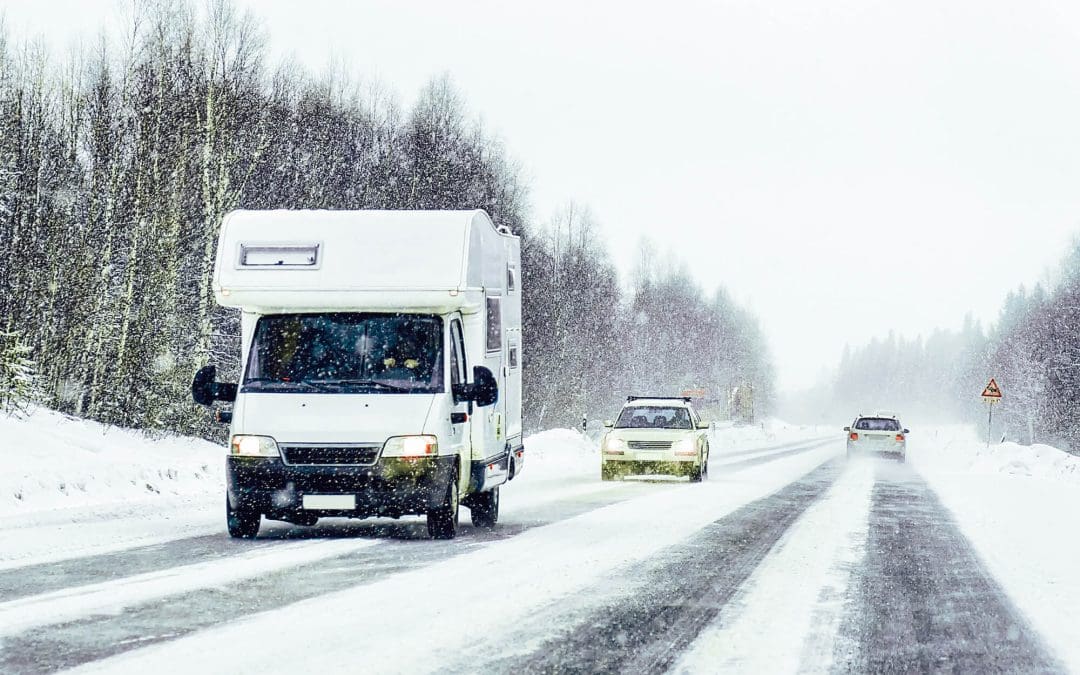
Cold weather doesn’t have to bring RV travel to a halt. With the right preparation and mindset, winter RV use can be comfortable, safe, and even enjoyable. Whether an RV is parked for the season or used for winter getaways, colder temperatures introduce challenges that require extra attention. From protecting critical systems to managing comfort inside the rig, thoughtful planning makes all the difference.
Preparing for Winter RV Use
Successful winter travel begins before the temperatures drop too low. RVs are designed to be mobile and versatile, but cold weather puts their limits to the test. Inspecting seals around windows, doors, and slide-outs helps prevent cold air infiltration. Small gaps quickly lead to heat loss, condensation, and discomfort inside the living space. Checking roof vents, exterior storage compartments, and access panels is equally important. These areas are often overlooked but can allow cold air to enter and warm air to escape. Preparing guarantees fewer surprises when temperatures dip.
Protecting Plumbing Systems During Winter RV Use
Plumbing is one of the most vulnerable systems during winter RV use. Freezing temperatures can cause pipes, fittings, and valves to crack, resulting in costly repairs. Insulating exposed pipes and using heated hoses helps maintain water flow in cold conditions. Holding tanks also require attention. Keeping tanks partially full during freezing weather helps prevent ice buildup, while using tank heaters or heat pads provides added protection. Monitoring water usage and knowing when to disconnect external water sources will further reduce the risk of freeze damage.
Heating Considerations for Cold-Weather RVing
Staying warm is a priority when using an RV in winter. Many RVs rely on propane furnaces, which are effective but require careful fuel management. Ensuring propane tanks are full and regulators are functioning properly helps avoid unexpected heat loss. Supplemental electric heaters can provide additional warmth when shore power is available. Proper airflow and ventilation are critical to prevent moisture buildup and maintain indoor air quality. Balancing warmth and ventilation supports comfort while protecting interior finishes and furnishings.
Managing Condensation and Moisture
Condensation is a common challenge during winter RV use. Warm indoor air meeting cold surfaces could lead to moisture buildup on windows, walls, and ceilings. Over time, this moisture can contribute to mold growth and material damage. Using vent fans periodically, even in cold weather, helps remove excess humidity. Dehumidifiers could also be beneficial in managing moisture levels. Wiping down windows and other surfaces as needed prevents condensation from becoming a persistent issue.
Battery and Electrical System Care
Cold temperatures may reduce battery efficiency, making electrical systems less reliable. Keeping batteries fully charged and protected from extreme cold helps maintain performance. In some cases, battery insulation or heated battery compartments may be necessary. Monitoring power usage is especially important when relying on battery power for extended periods. Conserving energy by limiting unnecessary electrical loads helps critical systems remain operational throughout winter trips.
Safety and Comfort Tips for Winter RV Use
Safety becomes even more important in winter conditions. Snow, ice, and freezing rain could impact travel plans and campsite accessibility. Checking weather forecasts regularly and allowing flexibility in travel schedules reduces risk. Inside the RV, maintaining clear walkways and dry floors helps prevent slips. Keeping emergency supplies on hand, including extra blankets, food, and water, adds peace of mind. Preparedness supports both safety and comfort when conditions are unpredictable.
With the right approach, winter RV use can be both practical and rewarding. Thoughtful preparation, system awareness, and proactive maintenance help guarantee comfort, safety, and reliability throughout the coldest months.
Frequently Asked Questions (FAQs)
Can RVs be used safely in freezing temperatures?
Yes, RVs can be used in freezing temperatures with proper preparation. Protecting plumbing, managing heat, and monitoring moisture are key factors in safe winter RV use.
How do you prevent RV pipes from freezing?
Insulating pipes, using heated hoses, and maintaining stable interior temperatures help prevent freezing. Tank heaters and careful water management also reduce risk.
Is condensation normal during winter RV use?
Some condensation is normal due to temperature differences. Ventilation and moisture control measures help manage condensation and protect interior surfaces.
Do RV furnaces work well in winter?
RV furnaces are designed for cold conditions, but they require proper maintenance and a sufficient propane supply. Supplemental heating can improve comfort when shore power is available.
Should RVs be winterized if they are still in use?
Partial winterization may be appropriate depending on conditions. Systems that are not in use should be protected, while active systems require freeze prevention strategies.
Blue Ribbon RV Inspection offers RV inspections throughout Arizona. Contact us to schedule an appointment today.